Compare and Choose Local Contractors for Gas Log Installation
Compare local contractors for gas log installation to define project scope, verify experience, and establish clear expectations in writing for a successful upgrade.
Gas logs installation typically involves preparing a suitable space, connecting the logs to the gas supply, and ensuring the setup meets safety and functional standards. Contractors may handle tasks such as verifying the existing gas line compatibility, installing or modifying venting systems if needed, and ensuring the logs are properly positioned for optimal appearance and performance. The scope of work can vary based on whether the installation is new or involves replacing existing units, and whether additional features like remote controls or custom surrounds are included.
Defining the scope of installation work is essential to avoid misunderstandings and ensure the project aligns with property owners’ expectations. Clearly outlining what is included-such as site preparation, gas line adjustments, venting, and finishing touches-helps establish a shared understanding of the work involved. Writing down the scope also provides a basis for comparing bids or proposals from different contractors, ensuring that each service provider understands the specific requirements and deliverables.
Property owners can compare local contractors by examining their experience with gas logs installation, checking references or reviews, and verifying familiarity with the type of setup desired. It’s helpful to ask about the specific services each contractor offers and whether they have handled similar projects in the area. Comparing how contractors define their scope of work, what is included in their services, and how they communicate expectations in writing can assist property owners in making informed decisions and selecting a service provider suited to their needs.
Compare local contractors by outlining project priorities, verifying experience, and setting clear expectations in writing.
- Compare Contractor Credentials - Review the experience and reputation of local contractors to ensure they meet your project needs.
- Define Project Scope Clearly - Establish detailed expectations and specifications before work begins to prevent misunderstandings.
- Verify Experience and References - Confirm that service providers have relevant experience with gas log installations through references or past work.
- Document Agreements in Writing - Put all project details, expectations, and scope into a written agreement to ensure clarity and accountability.
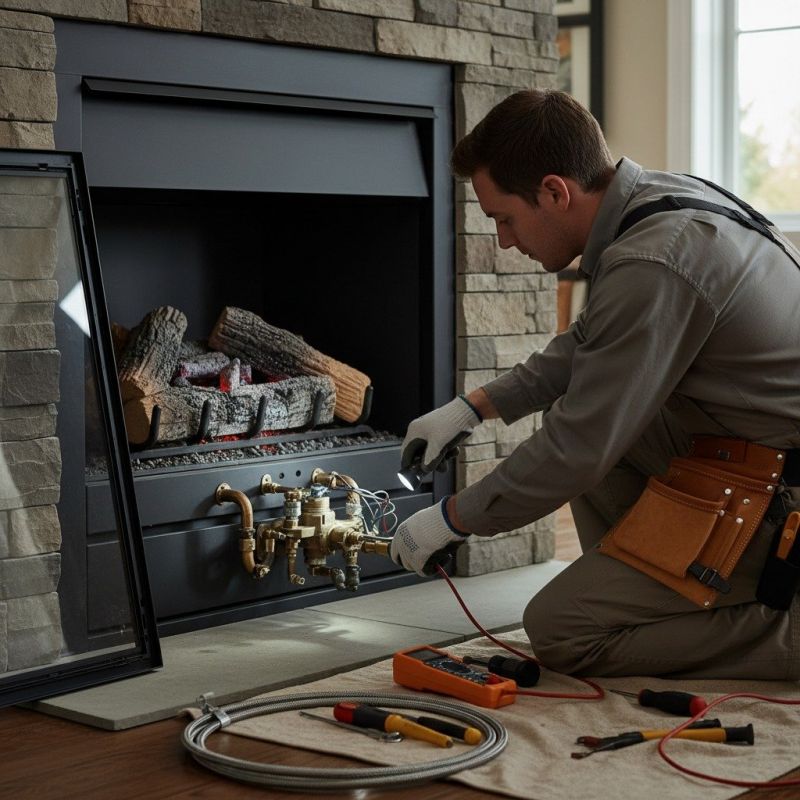
Clearly describe your gas logs installation project before comparing local contractors, verifying experience, and setting written expectations.
- Verify that the contractor has experience installing gas logs safely and correctly. - Ensure the scope of work is clearly defined and agreed upon in writing before the project begins.
- Check that the contractor follows local building codes and manufacturer installation instructions. - Confirm that the service provider provides a detailed written estimate outlining the installation process.
- Assess the contractor’s knowledge of venting requirements and proper clearance distances for gas logs. - Look for references or reviews that speak to the contractor’s expertise with gas log installations.
- Ensure the contractor will perform a thorough inspection of the existing fireplace or venting system prior to installation. - Clarify that the scope includes testing for leaks and proper venting after installation.
- Confirm that the contractor will provide a written warranty or guarantee for their work. - Make sure all expectations, including cleanup and safety measures, are documented in the agreement.
Compare local contractors' experience and clarify project scope to ensure smooth gas logs installation.
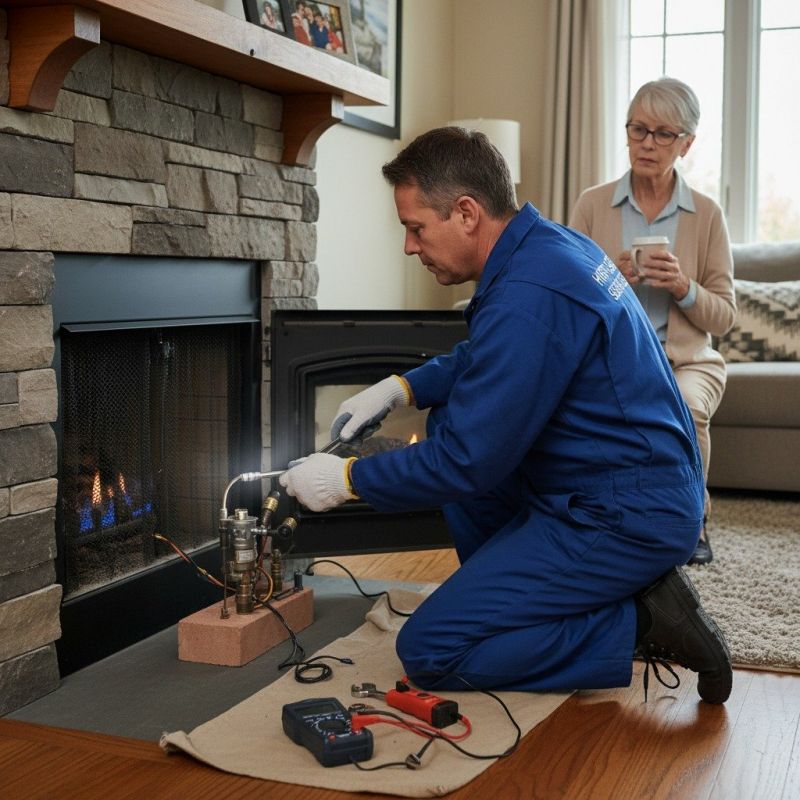

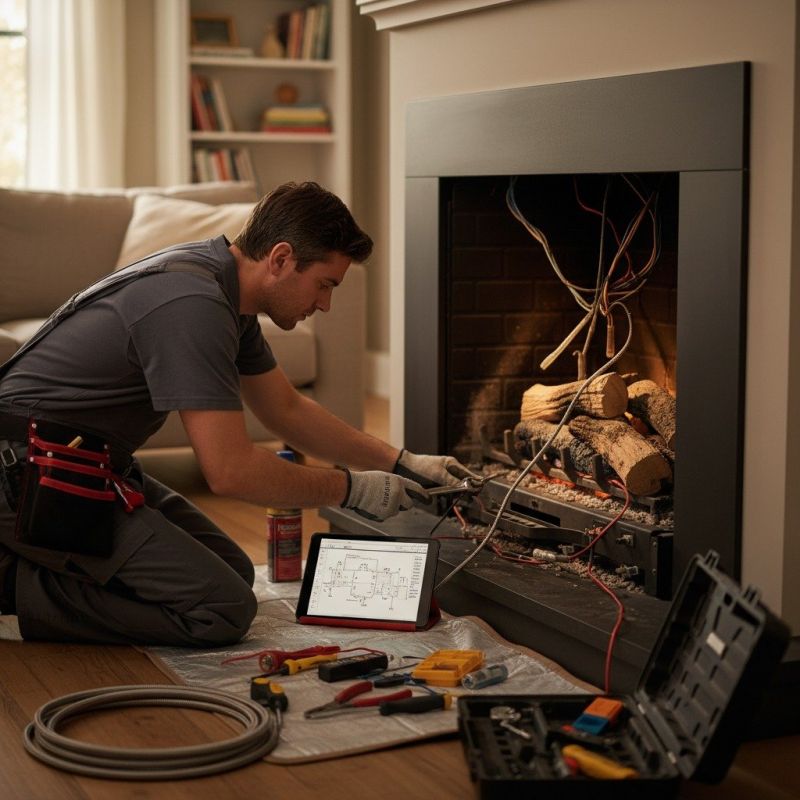
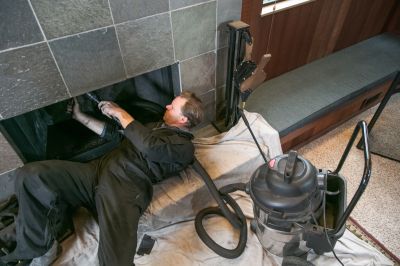
Use consistent comparison criteria to evaluate local contractors’ scope, experience, and written expectations for gas logs installation.
- Scope Definition - Clearly outline the specific tasks involved in the gas logs installation to ensure mutual understanding.
- Experience Verification - Confirm that the service providers have relevant experience with gas logs installation projects.
- Material and Equipment Specification - Specify the types of gas logs and related components to be used during installation.
- Work Area Preparation - Describe the necessary preparations and conditions required at the installation site.
- Documentation and Agreement - Ensure all scope details, expectations, and responsibilities are documented and agreed upon in writing.
When comparing contractors for gas logs installation, it is important to assess their experience with similar projects. Homeowners should inquire about the types of gas log systems they have installed and the variety of fireplace setups they have worked on. A contractor with a proven track record in handling installations similar to the one needed can provide insights into their familiarity with specific models, venting requirements, and safety considerations. This experience helps ensure that the chosen service provider understands the nuances of the installation process and can deliver results that meet safety and functionality expectations.
A clear, written scope of work is essential when evaluating contractors for gas logs installation. This document should outline what tasks will be performed, including any preparatory work, the installation process, and post-installation steps. A detailed scope helps prevent misunderstandings and ensures that both parties have aligned expectations. When reviewing proposals, homeowners should look for comprehensive descriptions of the work to be done, including the materials to be used and the responsibilities of the contractor. This clarity supports a smooth project flow and provides a reference point for assessing the quality of the work once completed.
Verification basics involve confirming that the contractor has the necessary knowledge and methods to perform a safe and compliant installation. Homeowners can ask about the procedures the contractor follows to ensure proper venting, gas line connections, and safety measures. It is also helpful to verify that the contractor is familiar with local codes and standards relevant to gas log installation. While licensing and certification are not discussed here, understanding the contractor’s approach to verification can provide confidence that the work will be conducted with attention to safety and proper technique.
When evaluating options among local service providers, homeowners should consider how each contractor plans to approach the project and what solutions they recommend. It is beneficial to ask for explanations of the installation process, the types of gas logs they suggest, and how they address potential challenges. Comparing the level of detail and professionalism in these explanations can help determine which contractor offers the most thorough and clear communication. Ultimately, selecting a provider who demonstrates a comprehensive understanding of the work and provides transparent information can lead to a more successful and satisfactory installation experience.
Ask contractors to provide written scope of work to ensure clarity and consistency throughout the gas logs installation process.
- Experience and Credentials - How can I verify the experience and background of local contractors specializing in gas log installation?
- Scope of Work - What specific tasks and responsibilities should be included when comparing the scope of different service providers?
- Material and Equipment - How do I clarify which materials and equipment are included or recommended in the installation process?
- Warranty and Guarantees - What should be documented regarding warranties or guarantees offered by local contractors for gas log installations?
- Communication and Expectations - How can I ensure that scope, process, and responsibilities are clearly defined and agreed upon in writing?
What should I consider when choosing a contractor for gas logs installation? It's important to compare local contractors based on their experience, reputation, and scope of services to ensure they meet the specific needs of the project.
How can I verify a contractor’s experience with gas logs installation? You can review their previous work, ask for references, or check if they have specialized knowledge in installing various types of gas logs safely and correctly.
What questions should I ask a contractor before hiring for gas logs installation? Inquire about their experience, the scope of work they provide, and request a written outline of the project details and expectations to ensure clarity.
Why is it important to define the scope of work in writing? Having a clear, written scope helps prevent misunderstandings, sets expectations, and provides a reference for the project’s agreed-upon tasks and responsibilities.
How do I compare different contractors for gas logs installation? Review their experience, scope of services, and reputation. Request detailed proposals or descriptions of their approach to ensure they align with your project needs.
What role does local expertise play in gas logs installation? Local contractors are familiar with regional codes, common installation practices, and may be better equipped to handle specific site conditions for safe and proper installation.
This page has provided an overview of what to consider when hiring contractors for gas logs installation, including how to define the scope of work, verify experience, and set clear expectations in writing. Understanding these key points can help ensure that the process of choosing a service provider aligns with individual needs and preferences. Visitors are encouraged to use the quote form to compare local contractors, making it easier to find professionals who can handle the job effectively.
By using the quote form, visitors can explore options among qualified service providers in the area, gaining insights into the available local contractors for gas logs installation. Comparing multiple local professionals allows for a better understanding of the services offered and helps in making an informed decision tailored to specific project requirements.